Discovering SIRMIONE
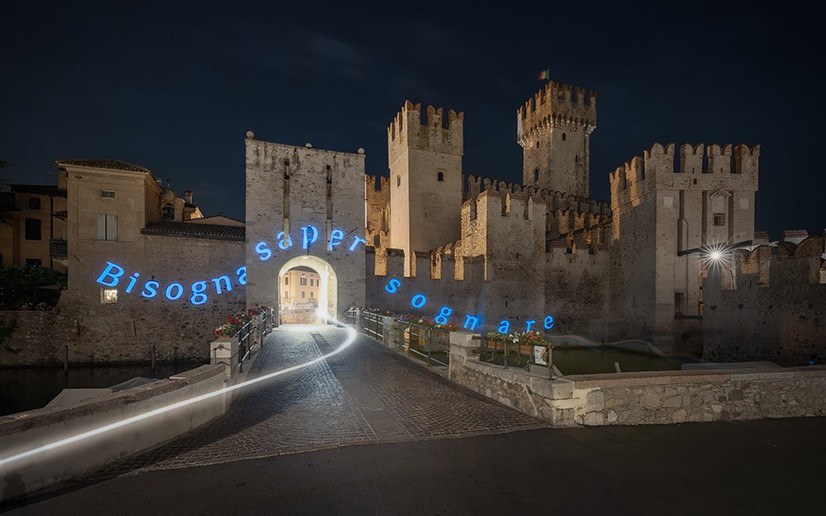
Scaligero Castle
A symbol of Sirmione, the Scaligero Castle welcomes you at the entrance to the historic centre with its towers and the interplay of battlements and walls that define its silhouette. As you enter, you’ll discover the courtyard, the walkways and the harbour basin where ships once sought shelter. Round off your visit by climbing the castle’s highest tower and enjoying the view that Lake Garda has to offer. The Scaligero Castle in Sirmione is a fortification built after the mid-fourteenth century on the shores of the lake at the instigation of the Della Scala family of Verona, from whom it takes its name, “Rocca Scaligera”.
Source of image and text: https://visitsirmione.com/scopri/arte-storia-e-monumenti/castello-scaligero/
Item on the list page: https://visitsirmione.com/scopri/arte-storia-e-monumenti/
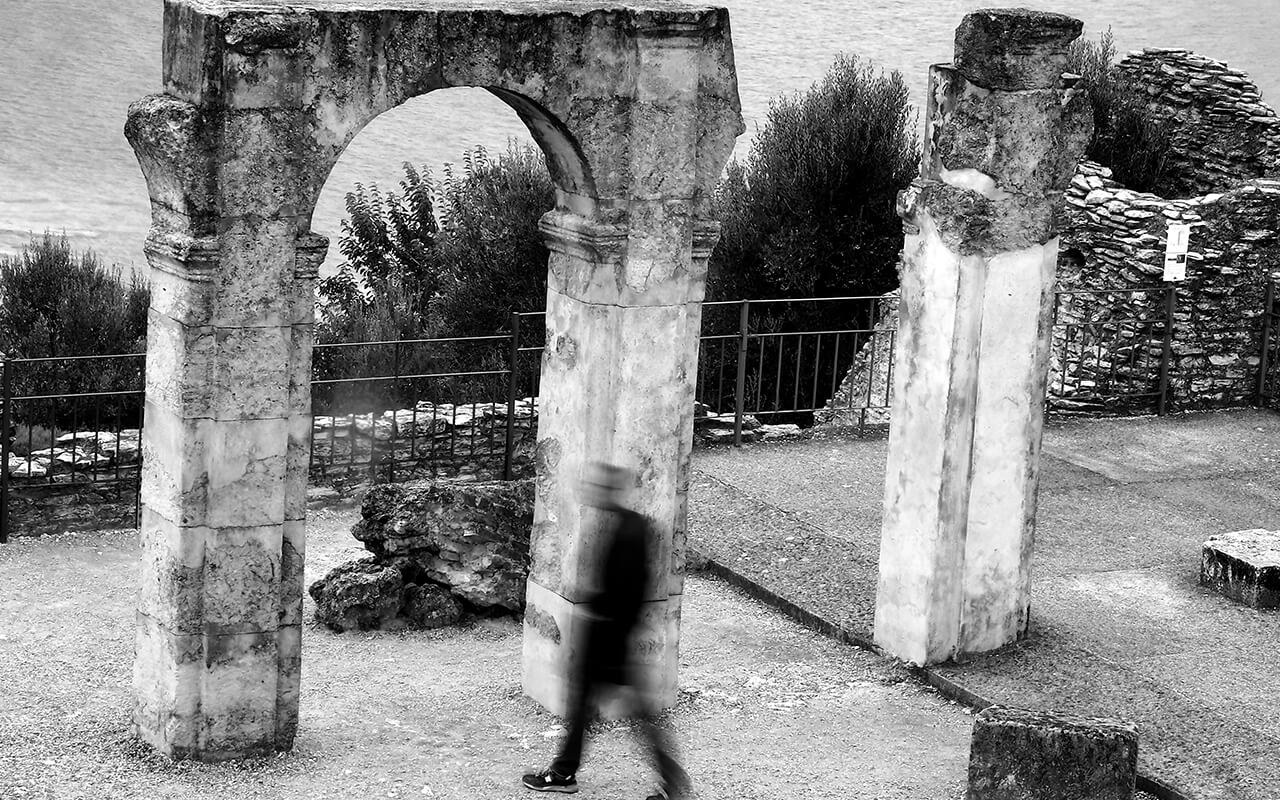
Catullus’ Caves
Thanks to their enviable location, the Grotte di Catullo in Sirmione are among Italy’s most fascinating archaeological sites and represent the remains of a Roman villa built between the late 1st century BC and the 2nd century AD. They are a must-see not only for history lovers – with a visit to the park, the ruins and the adjacent museum – but also for anyone who doesn’t want to miss out on unique and enchanting views. It was some 15th-century travellers who mistook the ruins of the Roman villa, situated on the tip of Sirmione and overgrown with vegetation, for natural caves: their accounts reinforced the popular belief that the site was that of the villa owned by the Roman-era poet Gaius Valerius Catullus (84–54 BC).
Source of image and text: https://visitsirmione.com/scopri/arte-storia-e-monumenti/grotte-di-catullo/
Item on the list page: https://visitsirmione.com/scopri/arte-storia-e-monumenti/
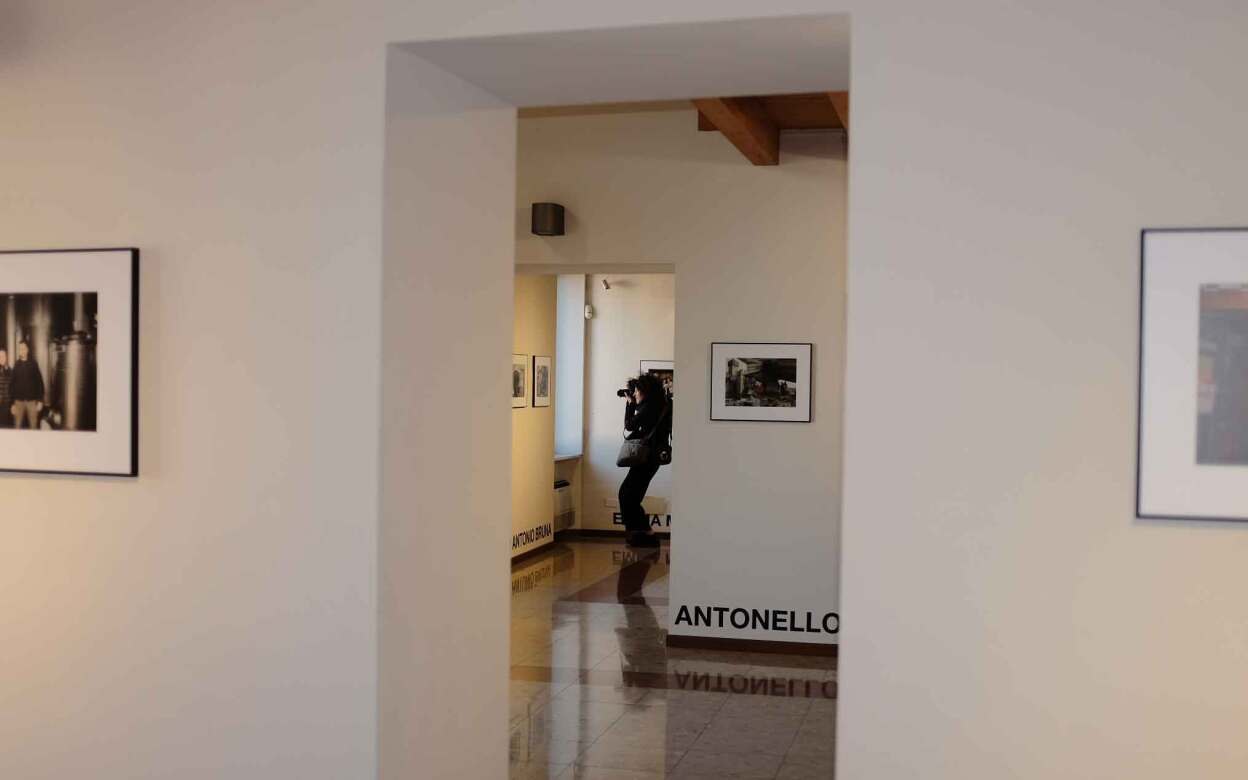
Palazzo Callas Exhibitions
Palazzo Callas Exhibitions is situated in the very central Piazza Carducci in the historic centre of Sirmione. The building, which dates back to the late 18th century, has been renovated by Sirmione Town Council to host exhibitions and major events, for which it has been the venue of choice for several years now. The building offers an exhibition space of over 400 square metres, as well as a conference room capable of accommodating over 100 people. The name Palazzo Callas pays tribute to the soprano Maria Callas, who spent a long time in the town and is commemorated at various points of interest in Sirmione, as well as through musical events.
Source of image and text: https://visitsirmione.com/scopri/arte-storia-e-monumenti/palazzo-callas-exhibitions/
Item on the list page: https://visitsirmione.com/scopri/arte-storia-e-monumenti/

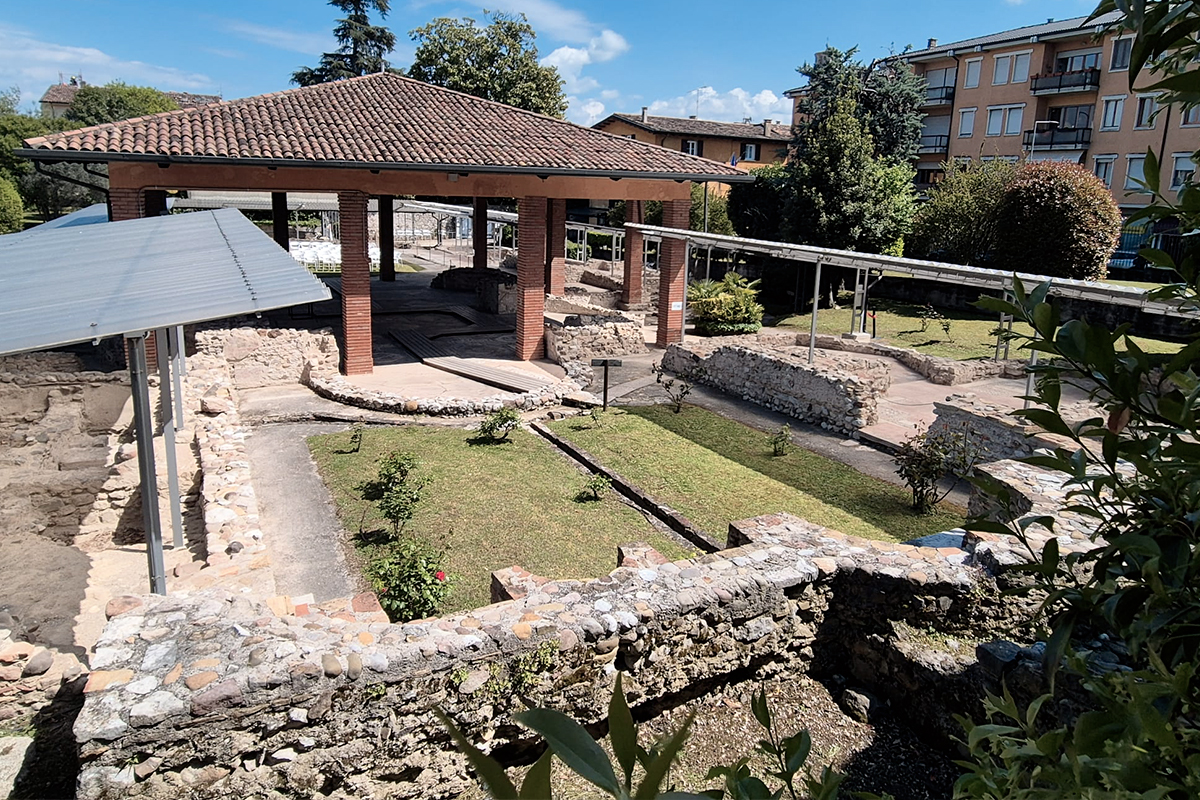
Peace Ecomuseum
In terms of culture and traditions, Sirmione naturally looks towards Lake Garda, but we must not forget that its hinterland opens up onto another, incredibly rich world: the area of the morainic hills and the Mantua hills; a treasure trove of history, culture, art, food and wine, and countless tourist attractions that the Ecomuseum of Peace aims to promote through specific communication and promotional activities. The Sirmione branch of the Ecomuseo della Pace is ideally situated to focus on this part of its hinterland, offering a video tour that takes in all the villages that have joined the project. A route that starts and ends in Sirmione and symbolically encompasses these places, exploring their historical, natural and scenic beauty.
Source of image and text: https://visitsirmione.com/scopri/arte-storia-e-monumenti/ecomuseo-della-pace/
Item on the list page: https://visitsirmione.com/scopri/arte-storia-e-monumenti
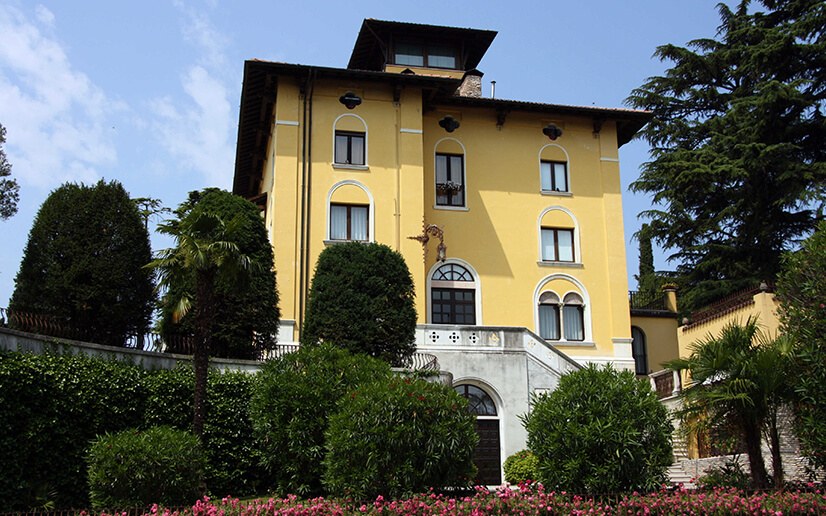
Villa Callas
Villa Callas, which is privately owned, has retained the same external appearance as when it was purchased in the 1950s by Giovanni Battista Meneghini, a Veronese businessman and husband of the soprano Maria Callas, to spend his holidays in Sirmione. Following their separation, the villa was sold and has been renovated in recent years. The property can now be viewed from the outside, where there is also a plaque commemorating the presence of Maria Callas and Giovanni Battista Meneghini in Sirmione. The garden remains unchanged, as does the swimming pool shaped like Lake Garda, which was commissioned by Maria Callas herself.
Source of image and text: https://visitsirmione.com/scopri/arte-storia-e-monumenti/villa-callas/
Item on the list page: https://visitsirmione.com/scopri/arte-storia-e-monumenti/
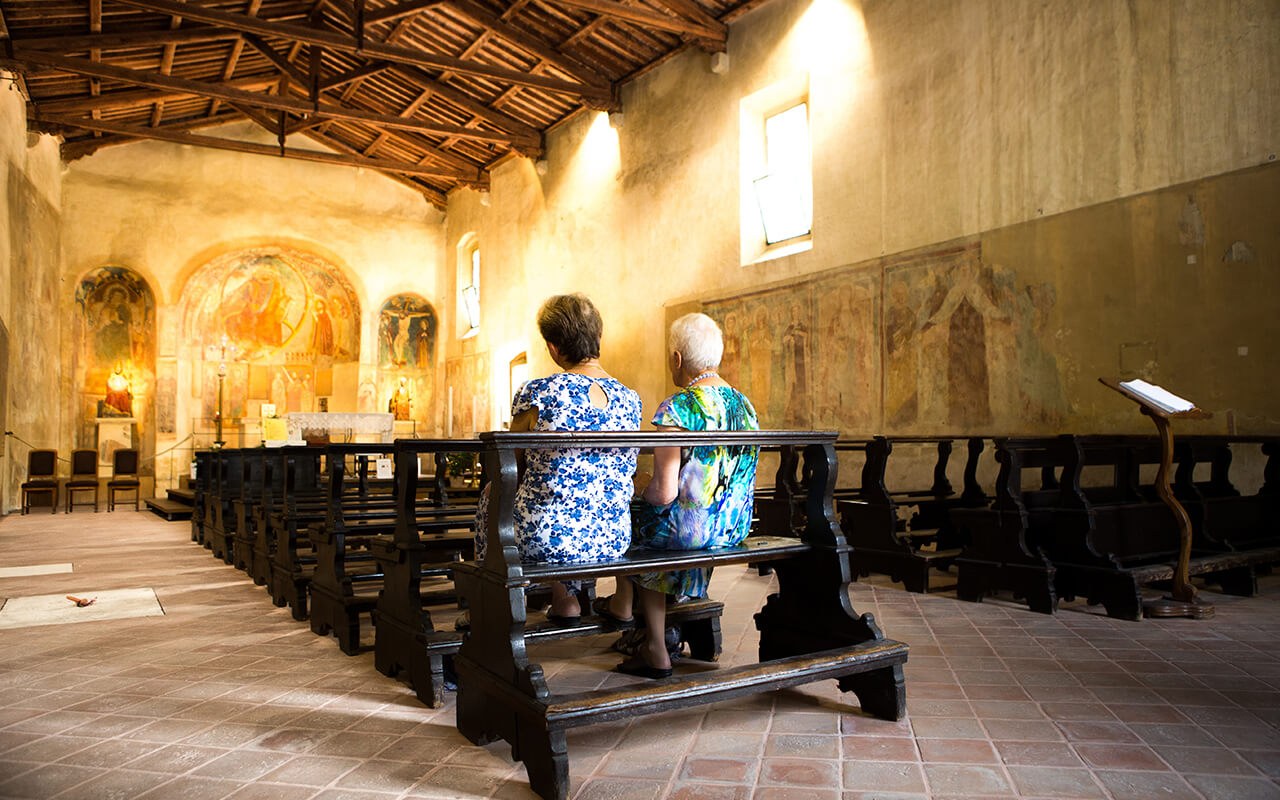
Churches in Sirmione
A testament to the long-standing popular devotion of the town and its hamlets, the churches in the historic centre of Sirmione and its surroundings date from various historical periods: from the 8th-century San Pietro in Mavino to San Francesco alle Colombare, built in the 1960s, they offer visitors the chance to immerse themselves in different styles and atmospheres, whether out of historical curiosity or for a personal moment of prayer. As for Holy Masses and religious services, the easiest way to find out times, venues and other details is to download the DinDonDan app.
Source of image and text: https://visitsirmione.com/scopri/arte-storia-e-monumenti/chiese-di-sirmione/
Item on the list page: https://visitsirmione.com/scopri/arte-storia-e-monumenti/
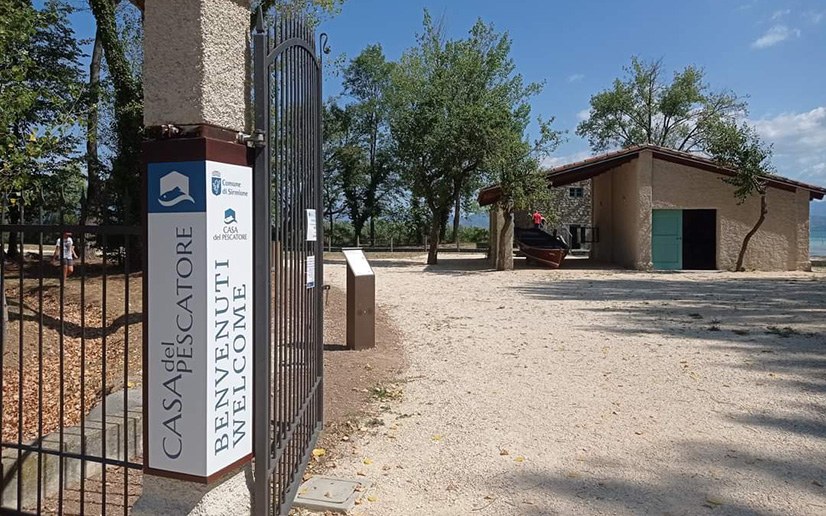
The Fisherman’s Cottage
Set against the stunning backdrop of Punta Grò stands the Casa del Pescatore: a place for people to come together and learn more about the culture of the sea, as well as an important space for reflecting on the lives of fishermen of yesteryear. The buildings that make up the museum site, once used for fishing-related activities, have been restored and refurbished to create immersive and inclusive exhibits that take visitors on a journey through time to discover the fishing economy of the Sirmione community.
Source of image and text: https://visitsirmione.com/scopri/arte-storia-e-monumenti/casa-del-pescatore/
Item on the list page: https://visitsirmione.com/scopri/arte-storia-e-monumenti/
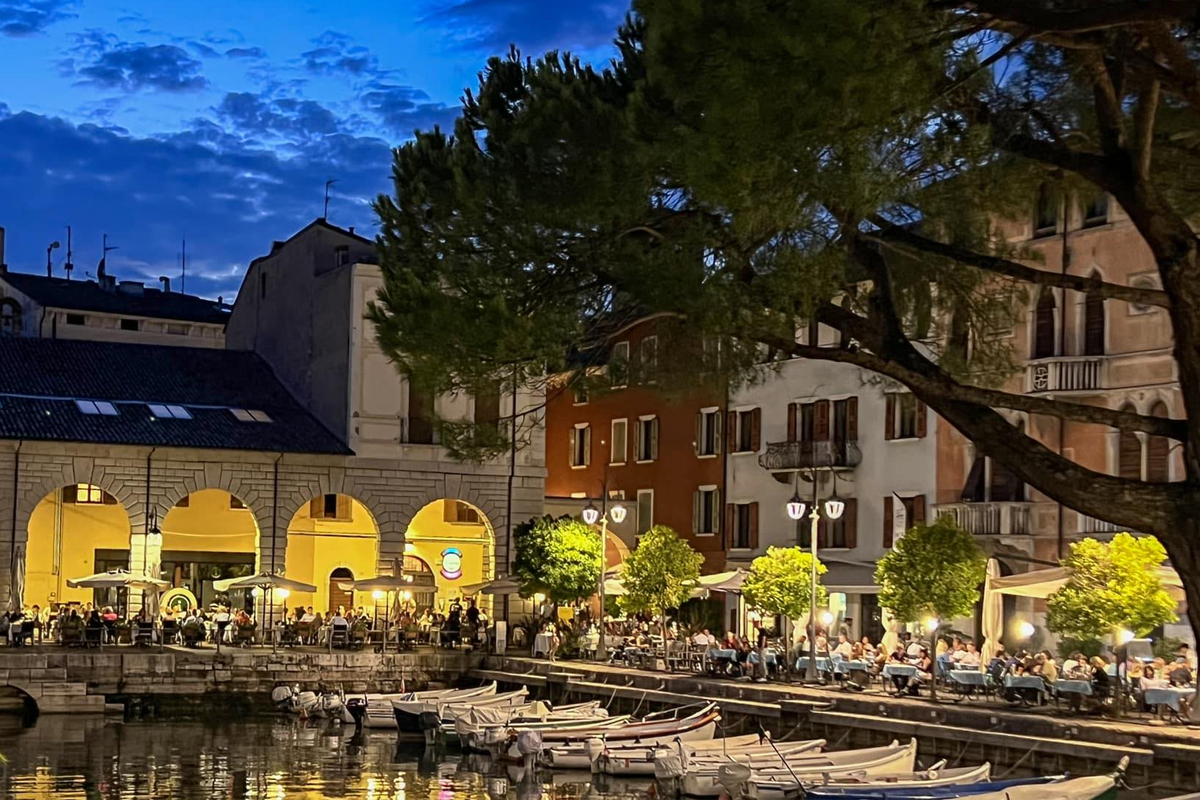
The Old Port
The small harbour (known as “Old Harbour“), which is first mentioned as early as 1274, was extended during the Venetian Republic to serve the thriving grain market.
It is one of the most photographed and Instagrammed places in Italy, thanks to its natural and architectural features.
From the Ponte della Veneziana, which spans the harbour, you can enjoy the best view of Palazzo Todeschini, the statue of Saint Angela Merici and, in the background, the medieval castle.
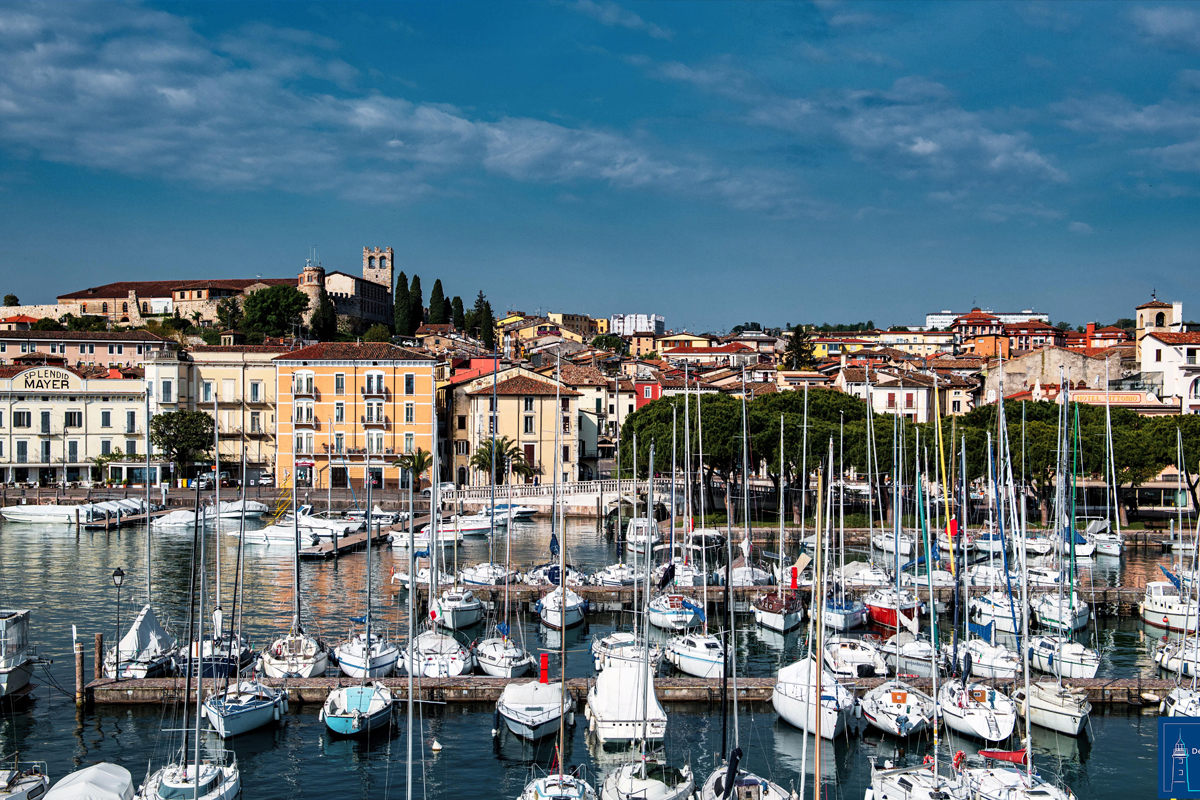
The Lighthouse and the Harbour
The lighthouse is the quintessential symbol of Desenzano; it features in almost all the town’s logos and is the main attraction for tourists.
The lighthouse lantern, consisting of a dioptric device fuelled by paraffin, remained in use until 1903, when electric lighting was introduced, having already been in use in the town of Desenzano since 1899.
To this day, the building serves as a landmark for the whole community and is the point of arrival for the boats and ships moored in the harbour.
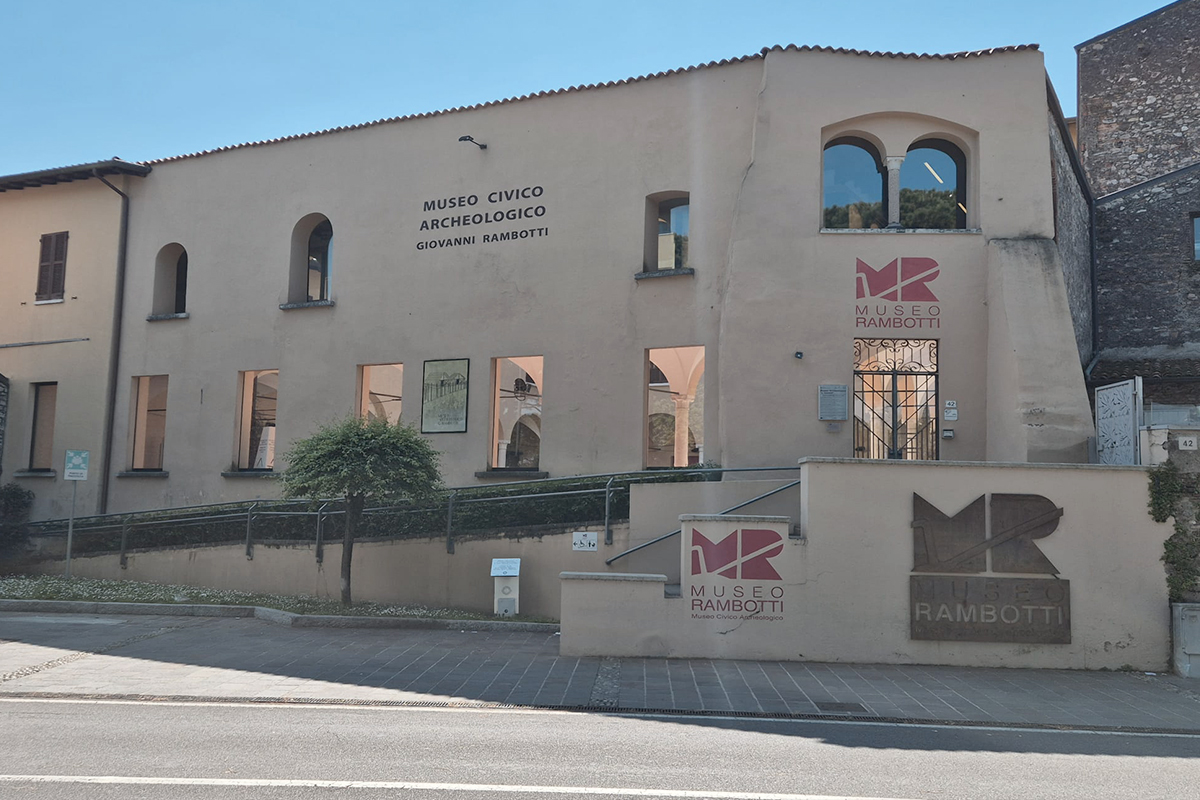
Rambotti Archaeological Museum
The museum, named after Giovanni Rambotti, houses an extraordinary collection of Bronze Age archaeological artefacts that document the development of pile-dwelling settlements on the shores of Lake Garda.
This is an interactive museum that offers sensory experiences which transport visitors back to prehistoric times, thanks in part to state-of-the-art technology.
On display in the museum are artefacts from the Lavagnone pile-dwelling site, the most recent of which is an ancient dugout canoe.

Oil and Wine Tasting
Food and wine are one of Desenzano’s many highlights. The local wines include Lugana, classic white Garda, Chiaretto, red Garda, Groppello and San Martino della Battaglia DOC.
Another gem of the region is its PDO extra virgin olive oil, characterised by an extremely low acidity level, which makes it particularly easy to digest and, as a result, highly sought-after.
The high quality of this Garda olive oil is monitored by its own consortium and by a certification body in accordance with a set of production regulations, which are among the most stringent in the country.
Golf
Gardagolf Country Club, in Soiano del Lago, offers its members and guests a technically challenging course set in breathtaking surroundings, always maintained to the highest standards, alongside a welcoming clubhouse offering a wide range of first-class facilities.
The Chervò Golf Hotel SPA & Resort is in San Vigilio, just a few minutes’ drive from the most beautiful resorts on Lake Garda and the most famous theme parks.
Calvagese, on the other hand, is home to the Arzaga Golf Club, a club of international renown; it attracts a great many guests who return here regularly every year.
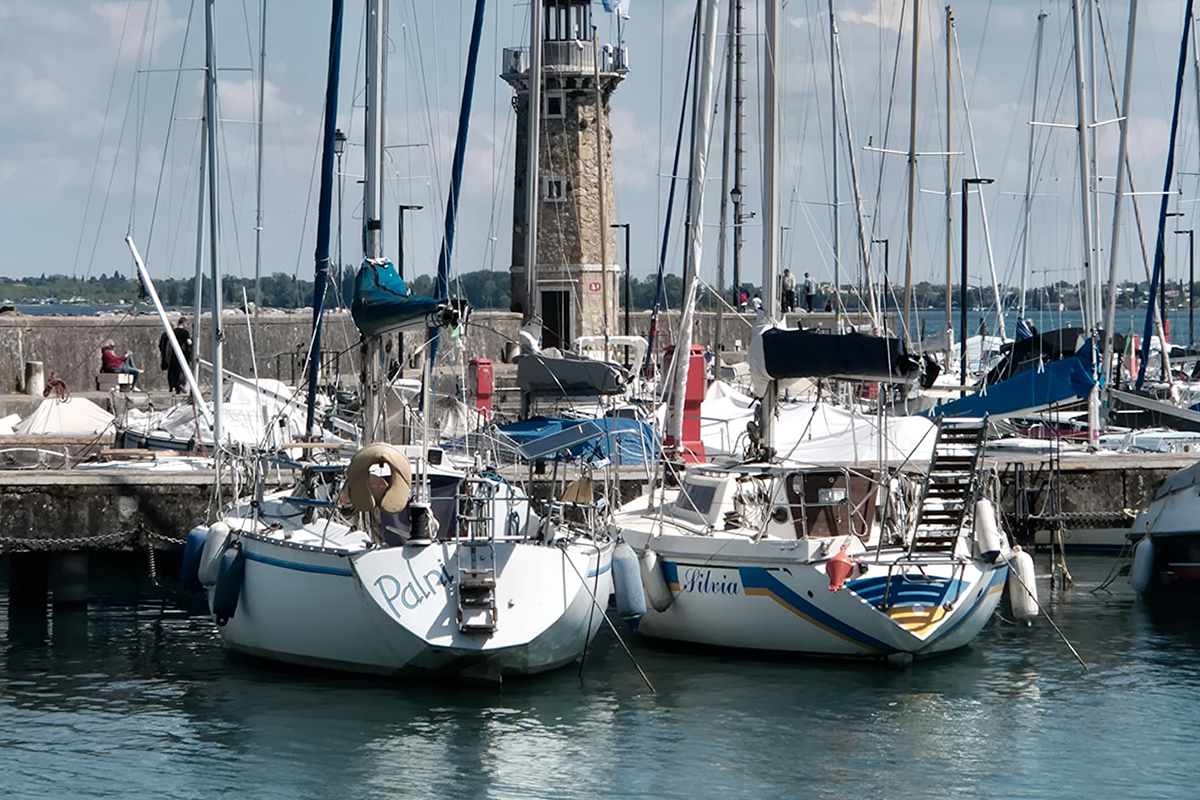
Sailing and Cycling
Fraglia Vela, the DIELLEFFE Sailing Club, the Lega Navale and many other organisations offer opportunities to hire boats or take part in this sport.
Desenzano also frequently hosts top-level sailing competitions and, thanks to local organisations, places great emphasis on inclusivity, offering courses specifically for people with disabilities. “Lake likes bikes – The lake loves bikes”It’s not just a slogan, but a reality to be taken at face value.”.
Lake Garda is best enjoyed at a leisurely pace, without any stress.

Go-karting and Clay Pigeon Shooting
The South Garda Karting circuit is situated in the nearby town of Lonato. It is one of the most important karting circuits on the international scene.
As well as official races, the circuit offers visitors the chance to experience the world of karting through the hire of karts for adults and children, as well as two-seater karts.
The Trap Concaverde shooting range in Lonato comprises twelve shooting lanes, arranged side by side along a longitudinal axis. The orientation of the shooting direction ensures maximum usability, whilst minimising the disruption caused to shooters by direct sunlight.