Discovering SAN FELICE DEL BENACO
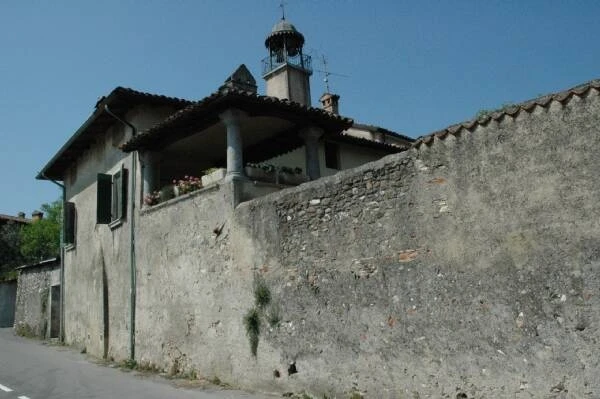
Church of Cisano
The small church, built in the 15th century, is dedicated to St John the Baptist the Beheaded. Owned by the Knights of Malta, it was run by a priest who celebrated the sacred liturgies and was flanked by a hospice intended to provide assistance and protection to wayfarers and pilgrims.
In 1949, to mark the feast day of Cisano’s patron saint, St John the Baptist the Beheaded, a special celebration was held to mark the reopening of the church’s ruins following the bombing raids of the Second World War. The most recent restoration of this small church took place in 1985.
Inside, there is a plaster statue of the saint. There are also numerous paintings and altarpieces depicting various saints.


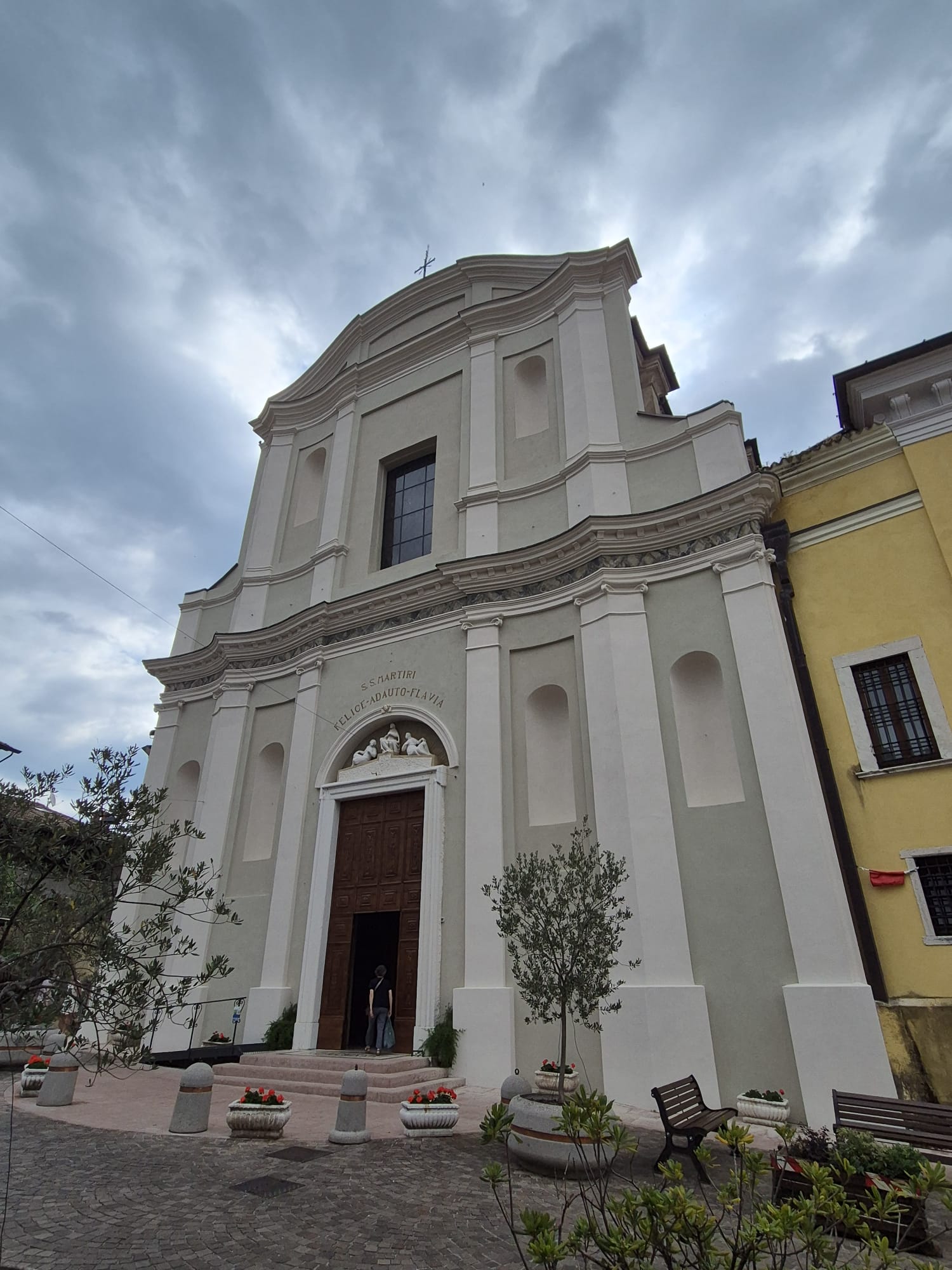
Parish Church of San Felice del Benaco
Built by the renowned Brescian architect Antonio Corbellini in 1781, the parish church of San Felice is dedicated to the patron saints San Felice, Sant’Adauto and Santa Flavia. Their relics are now enshrined within the high altar, above which hangs an altarpiece by Romanino, dating from the 16th century.
The plans for the construction of the new parish church, in the Baroque style, were presented on 31 July 1740 by the nobleman Innocenzo Moniga and the provost Matteo Alberini.
Text to be inserted (if any)
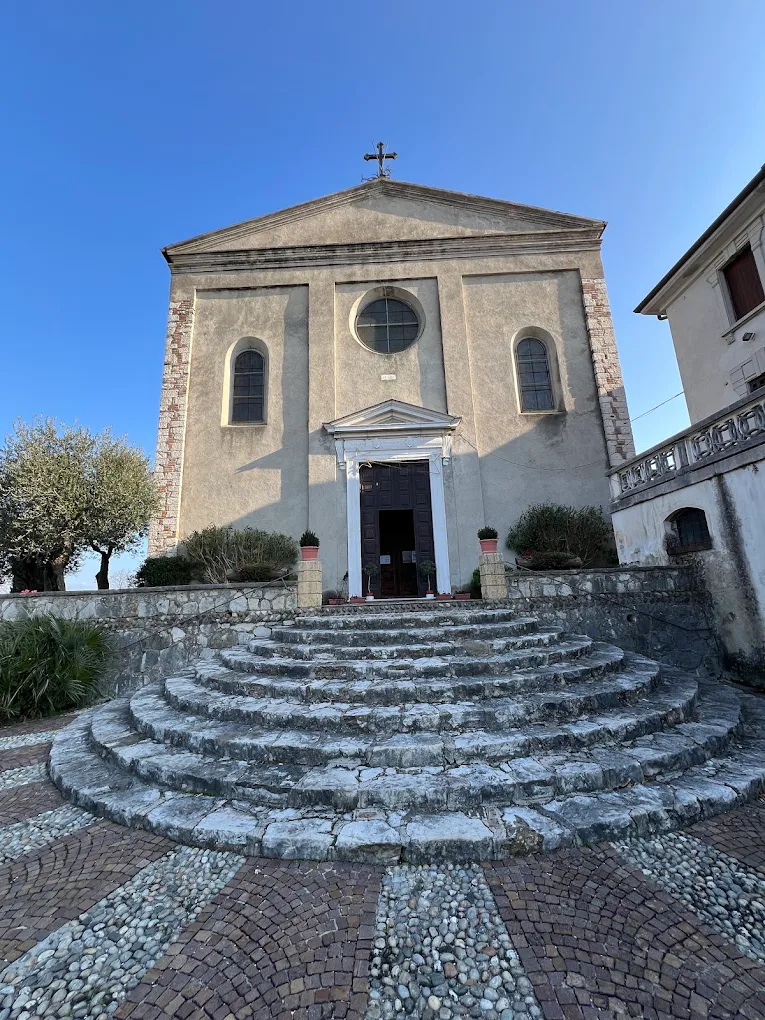
Portese Parish Church
The parish church of Portese is dedicated to the Nativity of St John the Baptist. The ancient little church was probably a 15th-century building which, in the 16th century, underwent a radical transformation
Work began in 1585 and the church was consecrated exactly ten years later. In 1885, the parish priest commissioned the renowned Brescian architect Antonio Tagliaferri to restore the building, and the work was completed in 1889.
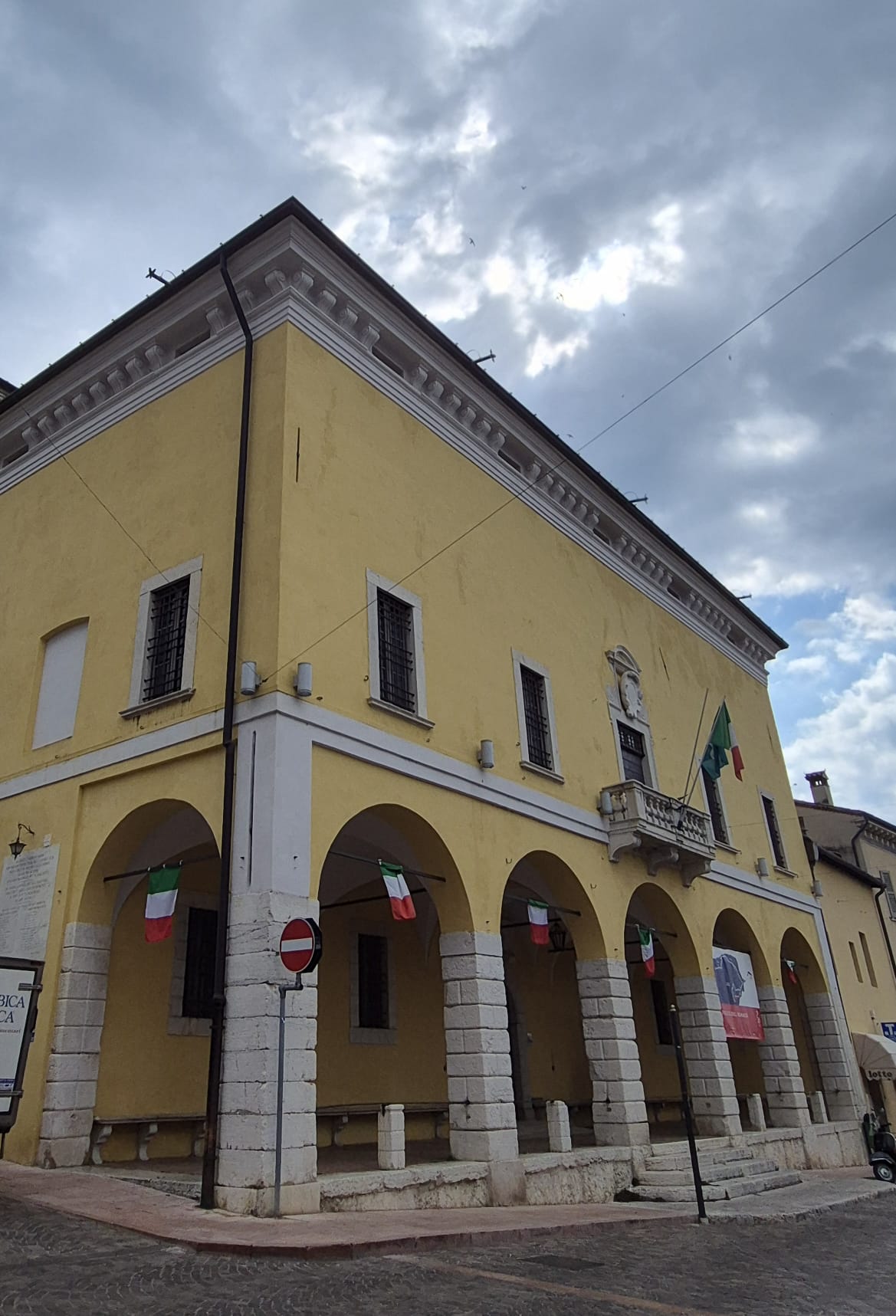
Former Pawnbroker’s
The Monte di Pietà was a charitable institution where the poor could borrow a sum of money without having to pay interest. It was established thanks to the wealthy Giacomo Pace, who died in 1593 and bequeathed his entire estate for the construction of the building, situated in Piazza del Municipio and completed in 1670.
In the spacious and evocative 17th-century hall, visitors can admire the ancient coat of arms of San Felice and the fresco on the vaulted ceiling by Abramo Grisiani, a painter active between the 16th and 17th centuries.
Towards the end of the nineteenth century, the Monte di Pietà was replaced by the Congregazione di Carità, which was abolished by government legislation in the first two decades of the twentieth century, making way for the Town Hall. The magnificent palace thus served as the local authority’s headquarters for more than three hundred years, until, in 1993, the Town Hall was moved to Palazzo Rotingo.
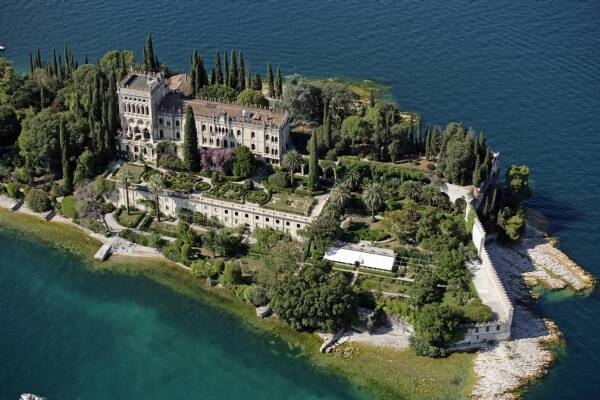
Isola del Garda
Isola del Garda is the largest of the Benaco islands and is also known as Isola Borghese. The area, now an island, has been inhabited since ancient times, as evidenced by the discovery in 1864 of ancient dwellings and the remains of pile dwellings on the island.
Abandoned during the Roman Empire’s centuries of decline, the island became a refuge for pirates who attacked ships along the routes of Lake Garda. In 1220, St Francis of Assisi visited the island and, considering it the ideal location for a community of friars, persuaded the owner to donate the land to him.
After being transferred to the State Property Office, the property changed hands many times over the following years, eventually coming into the possession of the Cavazza family, who still live there today and continue to look after the park and maintain the palace. The island has been open to tourists since 2002.
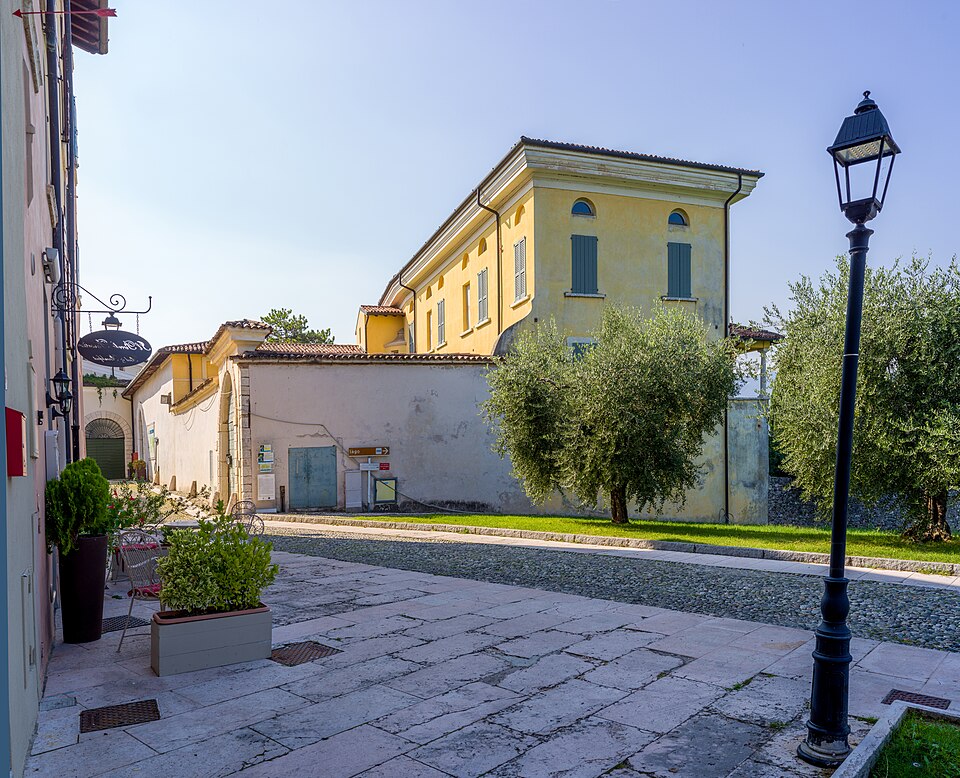
Cominelli Palace
|
The distinguished Cominelli family, originally from Salò, had the palace built in the mid-17th century. This elegant 18th-century building has recently been restored and now houses the headquarters of the Raffaele Cominelli Foundation. The rooms are decorated with stucco work; the ground floor is also adorned with floral paintings. In the courtyard of the house there are two memorial plaques: the first commemorates the two Leonardo Cominellis, one a poet and the other a philosopher; the second is dedicated to the memory of the poet Raffaele Cominelli. |
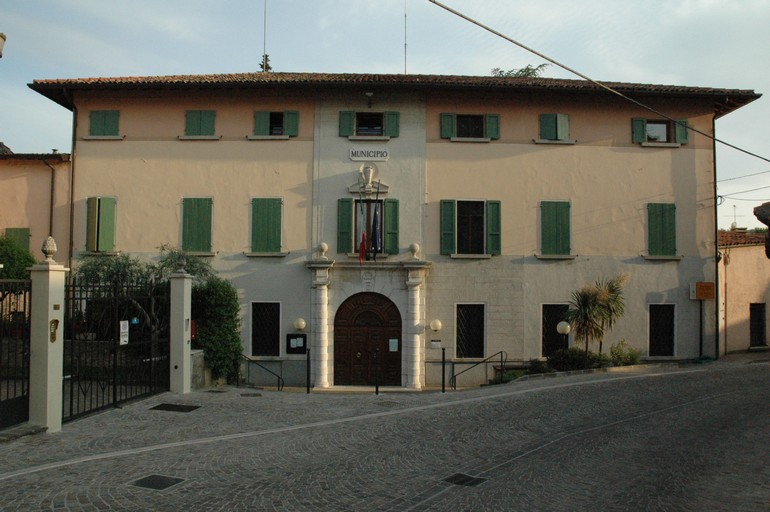
Rotingo Palace
According to the accounts of elderly residents, the building is thought to date from the early 20th century or, at the very latest, the late 19th century; however, some specific evidence allows it to be dated with greater certainty to the 18th century.
Inside, visitors can admire finely decorated wooden coffered ceilings, coats of arms and allegorical figures. Palazzo Rotingo served as a private residence for over two centuries and was subsequently used as a secondary school from 1974 to 1989.
Since 1993, the building has served as the town hall of San Felice del Benaco.
Church of San Fermo
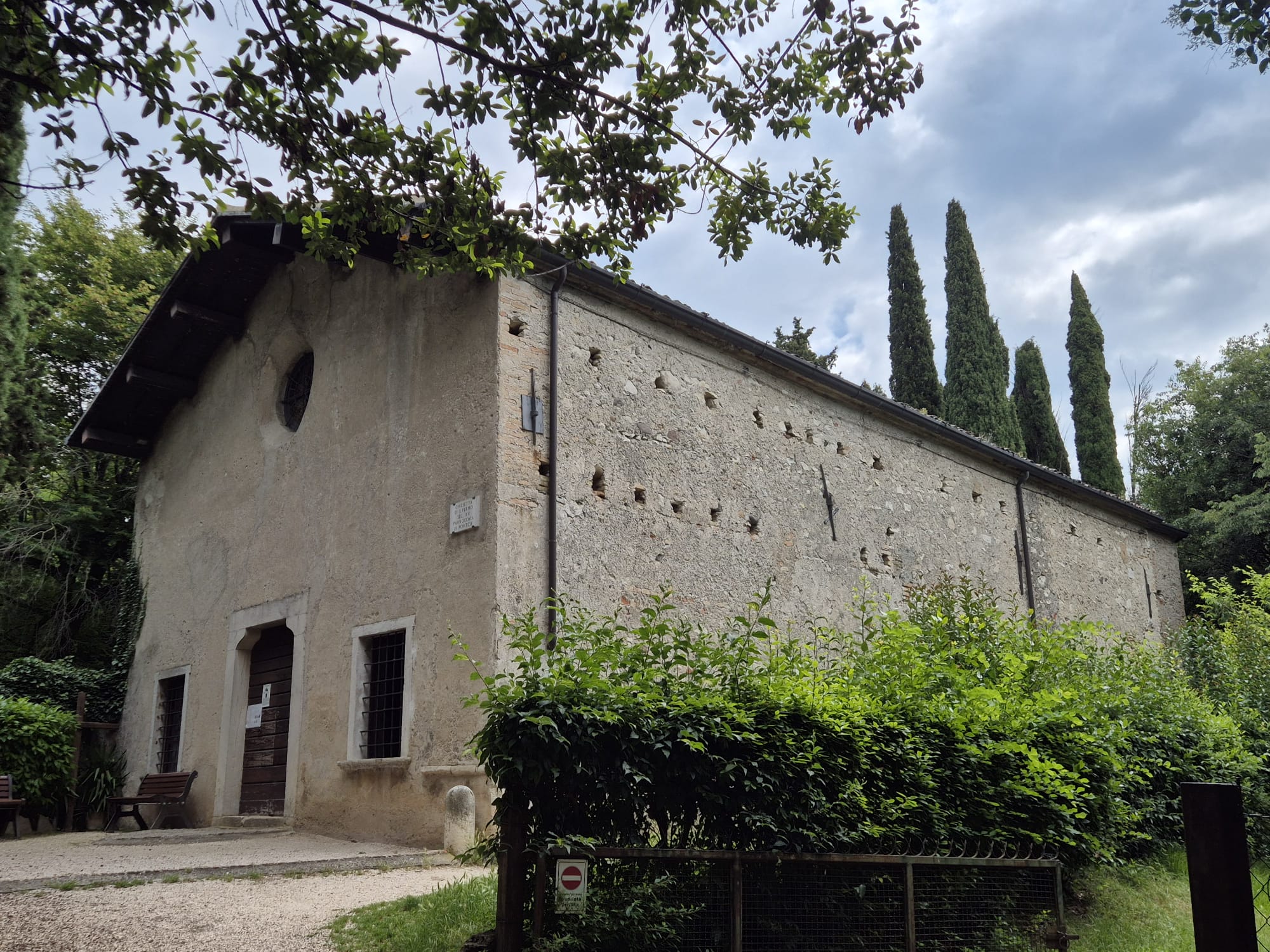
On the headland of San Fermo, opposite Isola del Garda, stands a small 15th-century church. Many centuries ago, the area was occupied by an imposing castle, which was destroyed in 1279.
The little church of San Fermo originally belonged to the parish of Manerba, but was subsequently claimed, in past centuries, by the monks of the island and by the municipalities of San Felice and Portese. For a time, the little church ended up being abandoned due to a lack of interest on the part of the priests and thus became the property of the State.
In 1835, the little church, which had subsequently been purchased by Domenico Brunelli, was returned to the parish of Portese in accordance with the owner’s last will and testament.
Santuario del Carmine
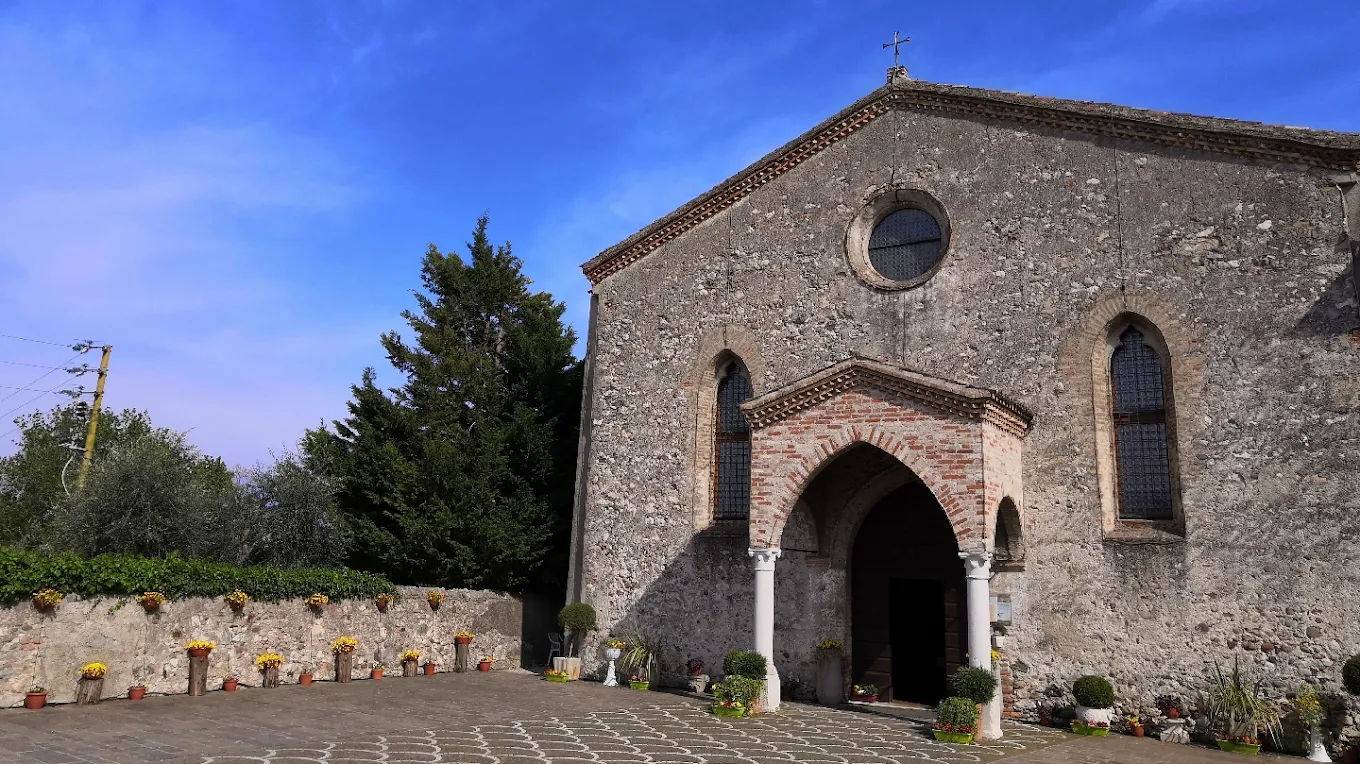
About 500 metres from the village stands the ancient Sanctuary of the Carmine, an imposing 15th-century building with magnificent frescoes inside, and a constant destination for numerous pilgrims. Even today, more than five centuries later, the sanctuary – which has been embellished and extended – continues to be a place of prayer for many worshippers from Italy and abroad.
In 1452, the Felicians built the chapel and dedicated it to Our Lady of the Cisterns, due to the abundance of water sources in the area. Over the years, this small chapel grew in size and changed its name several times, eventually coming to be known as the Madonna del Carmine following the arrival of the Carmelite Fathers in 1460.
After the Second World War, the church was renovated and, in 1952, the Carmelite Fathers regained possession of the church and the remains of the convent.
Portese Castle
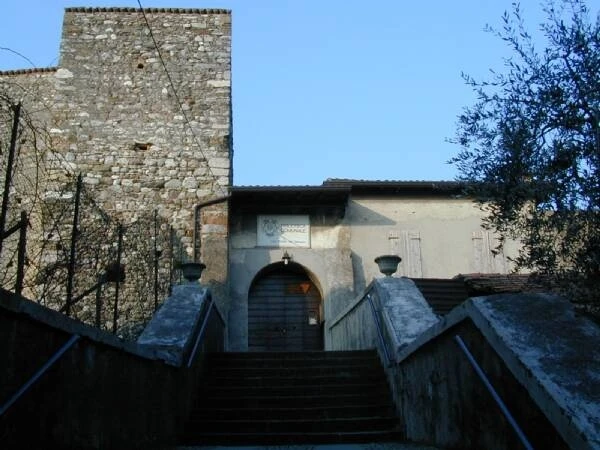
The castle was built in the Early Middle Ages to serve as a refuge against barbarian raids. Today, all that remains is the stump of a circular tower.
Inside is the meeting place for the Portese Alpine Group, which is also used as a social centre for the hamlet’s elderly residents. The castle once housed a portrait of the benefactress Diana Percaccini, who died of the plague in 1630.

Oil and Wine Tasting
Food and wine are one of Desenzano’s many highlights. The local wines include Lugana, classic white Garda, Chiaretto, red Garda, Groppello and San Martino della Battaglia DOC.
Another gem of the region is its PDO extra virgin olive oil, characterised by an extremely low acidity level, which makes it particularly easy to digest and, as a result, highly sought-after.
The high quality of this Garda olive oil is monitored by its own consortium and by a certification body in accordance with a set of production regulations, which are among the most stringent in the country.
Golf
Gardagolf Country Club, in Soiano del Lago, offers its members and guests a technically challenging course set in breathtaking surroundings, always maintained to the highest standards, alongside a welcoming clubhouse offering a wide range of first-class facilities.
The Chervò Golf Hotel SPA & Resort is in San Vigilio, just a few minutes’ drive from the most beautiful resorts on Lake Garda and the most famous theme parks.
Calvagese, on the other hand, is home to the Arzaga Golf Club, a club of international renown; it attracts a great many guests who return here regularly every year.
Sailing and Cycling
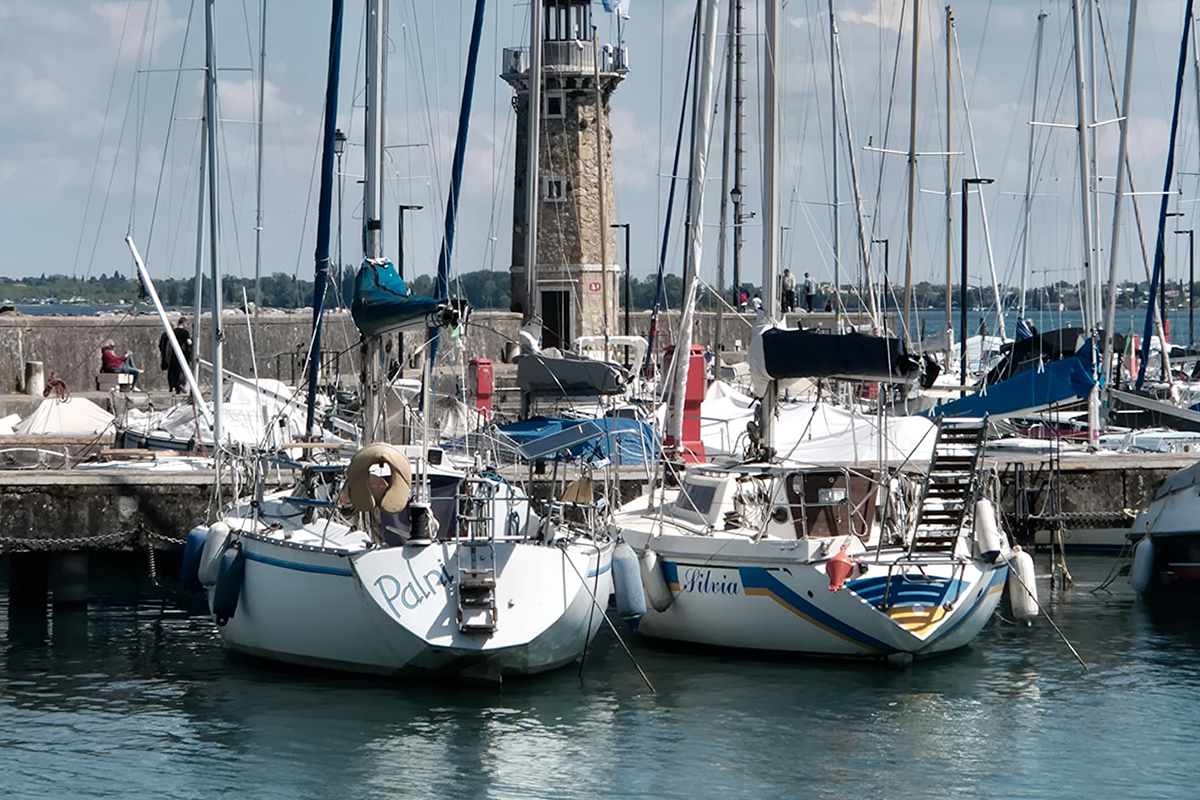
Fraglia Vela, the DIELLEFFE Sailing Club, the Lega Navale and many other organisations offer opportunities to hire boats or take part in this sport.
Desenzano also frequently hosts top-level sailing competitions and, thanks to local organisations, places great emphasis on inclusivity, offering courses specifically for people with disabilities. “Lake likes bikes – The lake loves bikes”It’s not just a slogan, but a reality to be taken at face value.”.
Lake Garda is best enjoyed at a leisurely pace, without any stress.
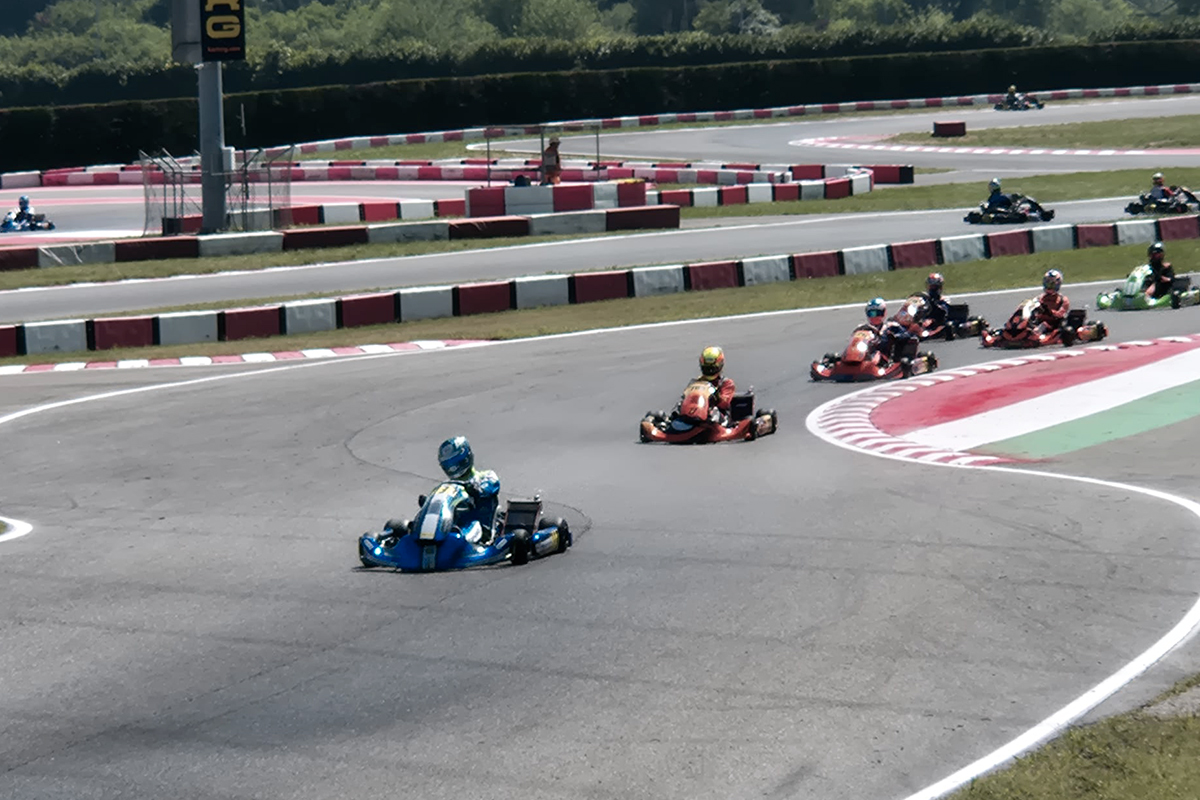
Go-karting and Clay Pigeon Shooting
The South Garda Karting circuit is situated in the nearby town of Lonato. It is one of the most important karting circuits on the international scene.
As well as official races, the circuit offers visitors the chance to experience the world of karting through the hire of karts for adults and children, as well as two-seater karts.
The Trap Concaverde shooting range in Lonato comprises twelve shooting lanes, arranged side by side along a longitudinal axis. The orientation of the shooting direction ensures maximum usability, whilst minimising the disruption caused to shooters by direct sunlight.